Axiom Workplaces
11 Min Read
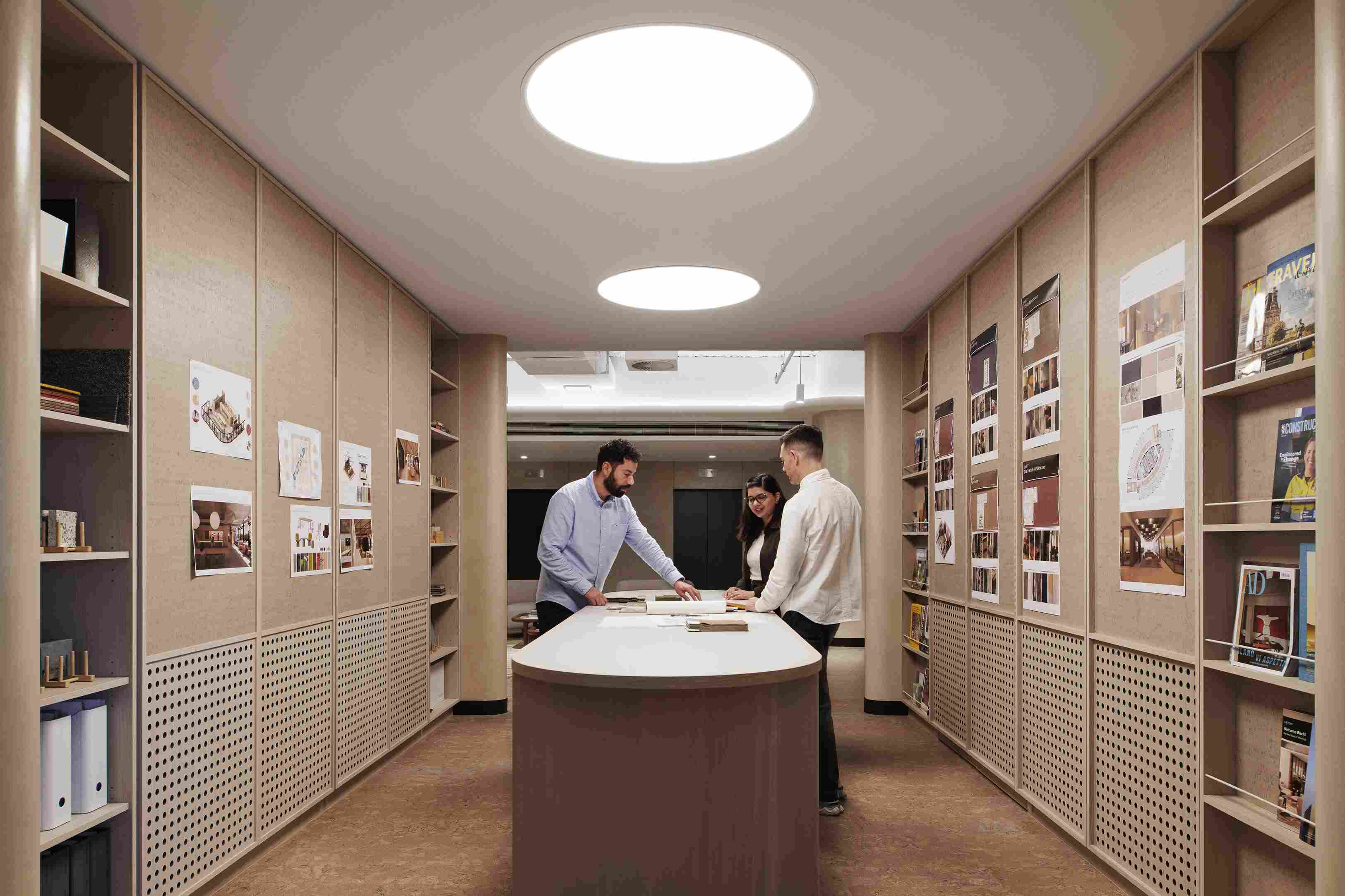
Imagine walking into a workplace that energises your people, reflects your culture, and prepares your business to perform well into the future. That’s what office design in Perth is becoming in 2026.
As Western Australian organisations move beyond reactive workplace changes and into long-term strategic planning, the role of the office has fundamentally shifted. No longer a cost centre, the modern workplace is a strategic asset—one that supports people, strengthens culture, improves sustainability outcomes and enables long-term organisational performance.
Across Perth, businesses are rethinking how space is used to support hybrid work, collaboration, well being and innovation. At the same time, as A-grade office space continues to tighten, tenants and developers are regenerating former retail, hospitality and public-use spaces into workplaces. These environments often offer larger single floor plates,higher ceilings and architectural character rarely found in traditional office stock.
Preparing a workplace for the future now extends well beyond initial occupation. Organisations are increasingly considering what the long-term sustainability footprint of their fitout will look like how spaces, furniture and materials can be reused, reconfigured,relocated or responsibly de-fitted as business needs evolve.
At Axiom Workplaces, we partner with Perth organisations to understand their people, examine how they work, and design workplaces that deliver measurable, long-term impact.
This article explores the key office design trends shaping Perth workplaces in 2026, including:
- Human-centric workplace design
- Hybrid-ready, agile layouts
- Sustainability, circular design and future de-fit considerations
- Seamless workplace technology integration
- Warm minimalism and nature-inspired aesthetics
- Cultural awareness, local identity and brand storytelling
- Future-ready, flexible fitout
Human-Centric Workplace Design Becomes the Standard
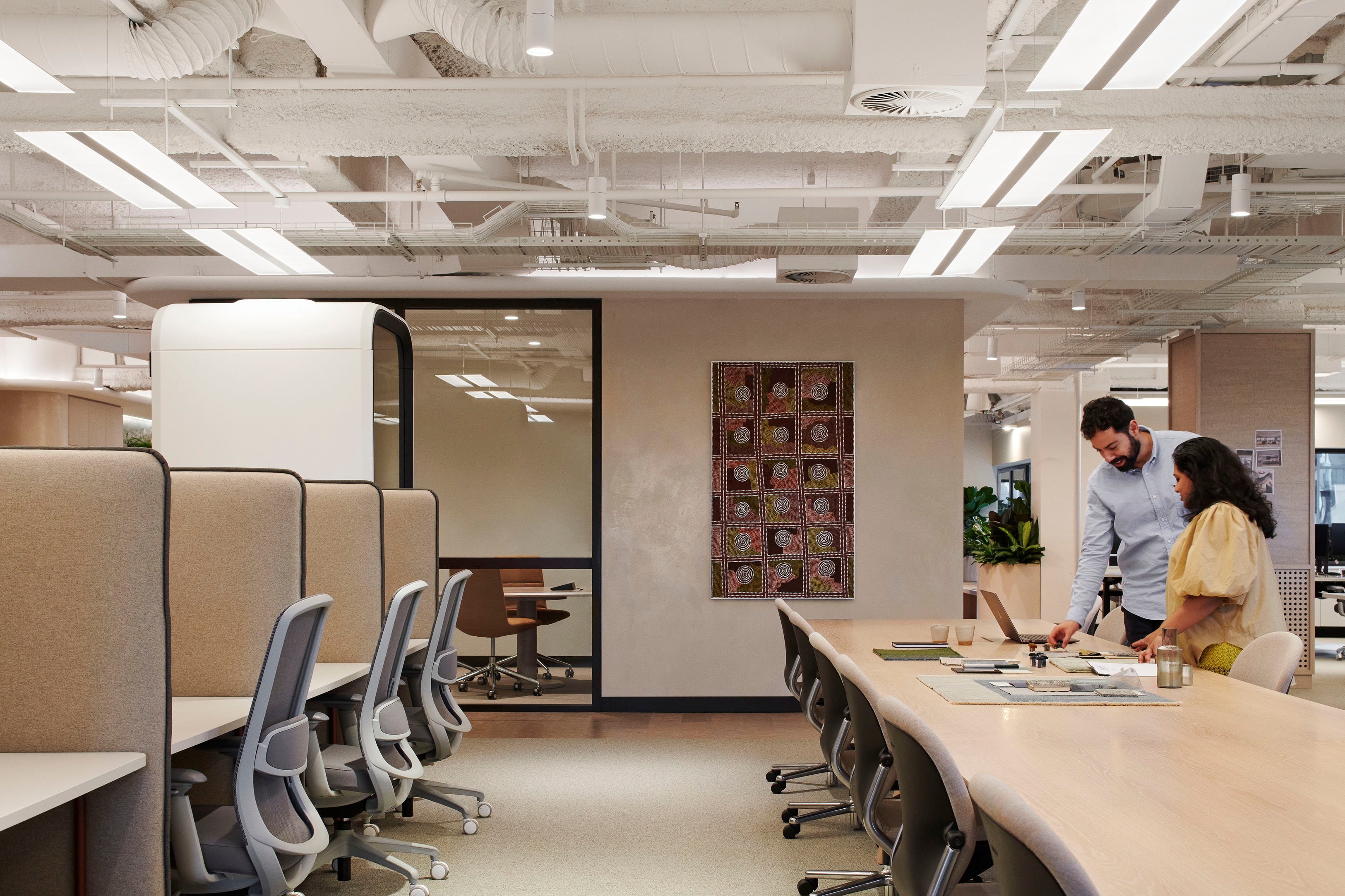
In 2026, employee experience is firmly at the centre of workplace design. Businesses are recognising that people perform at their best when they feel supported, comfortable and able to work in environments that align with their cognitive and physical needs.
Human-centric design goes far beyond ergonomic furniture or decorative greenery. It is about creating a holistic ecosystem that supports well being, focus, collaboration and choice.
Key characteristics of human-centric workplaces include:
• Ergonomic, adjustable workstations tailored to individual needs
• Optimised lighting, including circadian-friendly solutions that improve focus and reduce fatigue
• Biophilic design that introduces nature through greenery, organic textures and natural finishes
• Dedicated focus zones separate from collaborative or social spaces
• Quiet nooks and recharge areas that support mental well being
• Thoughtful acoustic design to minimise distraction and improve comfort
Why this matters in Perth
With Western Australia’s competitive talent market, particularly across mining, engineering, finance, technology and professional services, workplace quality has become a key differentiator for attraction and retention.
Axiom insight
Through employee experience interviews, behavioural observation and workplace strategy workshops, we design environments that enhance productivity, reduce stress and improve overall satisfaction.
Hybrid-Ready Layouts That Support True Agility
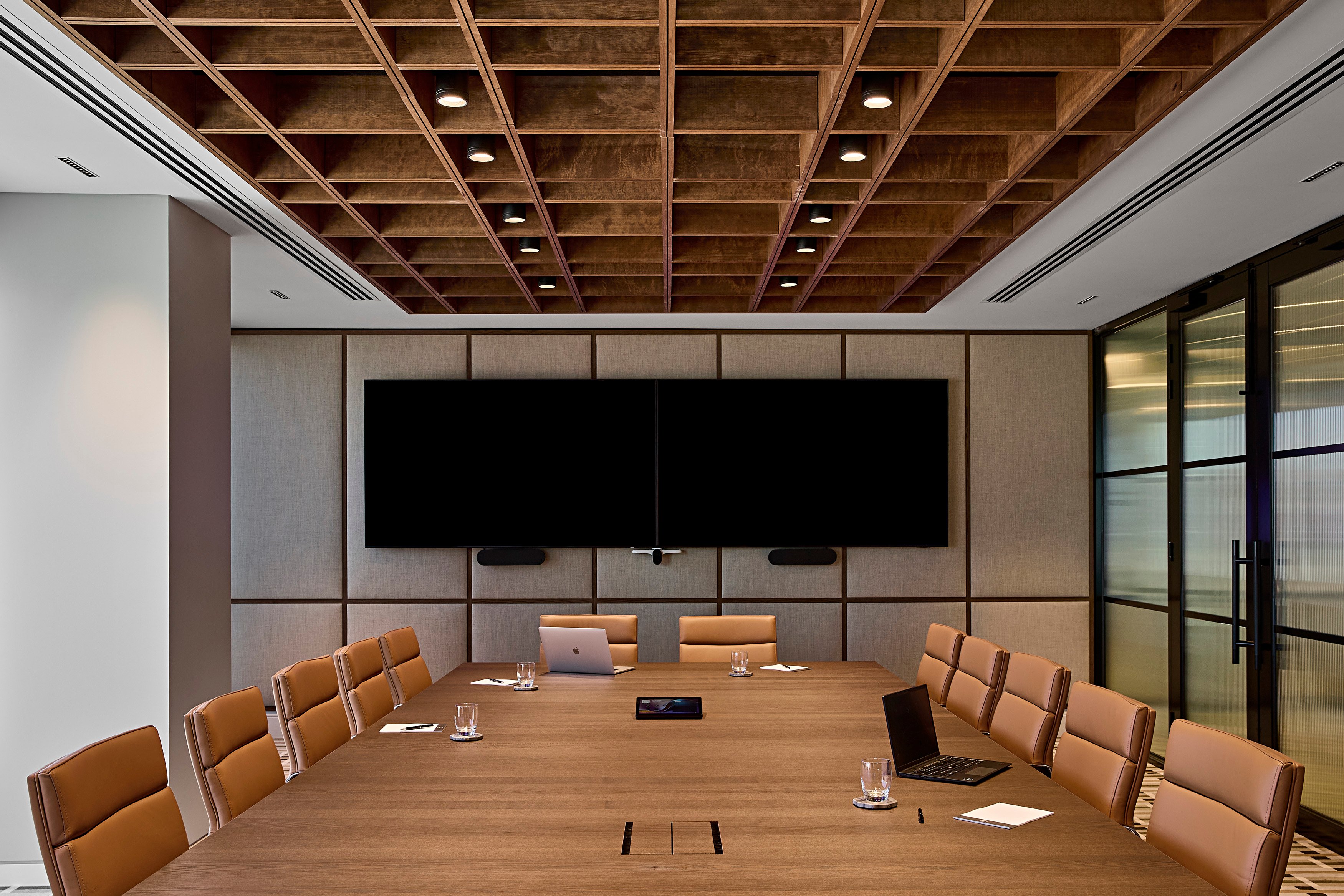
Hybrid working has matured from an experiment into a permanent operating model. In 2026, Perth businesses are moving beyond flexible work policies to designing workplaces that genuinely perform under hybrid conditions.
Australian furniture designers are responding with flexible, modular systems that can replace fixed joinery. These solutions allow organisations to adapt layouts over time, relocate furniture if needed, and reduce costs associated with future change.
What hybrid-ready workplaces look like in 2026:
- Activity-based zones that allow employees to choose spaces suited to their tasks
- Unassigned seating and adaptable work points that respond to fluctuating occupancy
- Tech-enabled meeting spaces that support seamless remote and in-person collaboration
- Modular furniture systems that can be reconfigured without major construction
Mobile collaboration tools, including writable surfaces, digital whiteboards and acoustic screens
Why this matters
Hybrid-ready workplaces improve space utilisation, reduce underused areas and strengthen communication and cohesion, even when teams are not always physically together.
Axiom insight
By analysing workplace utilisation data, we design layouts based on real employee behaviour rather than assumptions.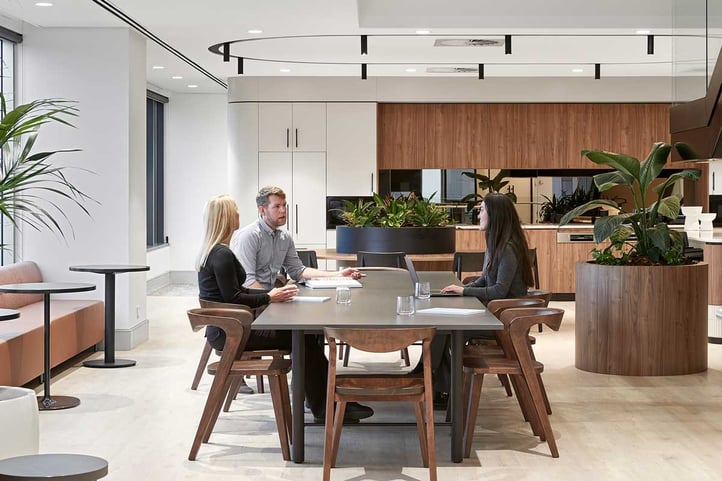
In 2026, Perth businesses are moving beyond flexible work policies to designing workplaces that genuinely perform under hybrid conditions.
Australian furniture designers are responding with flexible, modular systems that can replace fixed joinery. These solutions allow organisations to adapt layouts over time, relocate furniture if needed, and reduce costs associated with future change.
What hybrid-ready workplaces look like in 2026:
-
Activity-based zones that allow employees to choose spaces suited to their tasks
-
Unassigned seating and adaptable workpoints that respond to fluctuating occupancy
-
Tech-enabled meeting spaces that support seamless remote and in-person collaboration
-
Modular furniture systems with lose furniture over joinery that can easily be reconfigured without construction
-
Mobile collaboration tools, including writable surfaces, digital whiteboards and acoustic screens
Why these matter in Perth
Hybrid-ready workplaces optimize space utilisation, reducing underused areas, bridging communication gaps and improving team cohesion even when people aren't always in the office.
Axiom insight
By using workplace utilisation data, we design layouts based on real employee behaviour rather than assumptions.
Sustainability, Wellness and Circular Design Take Priority
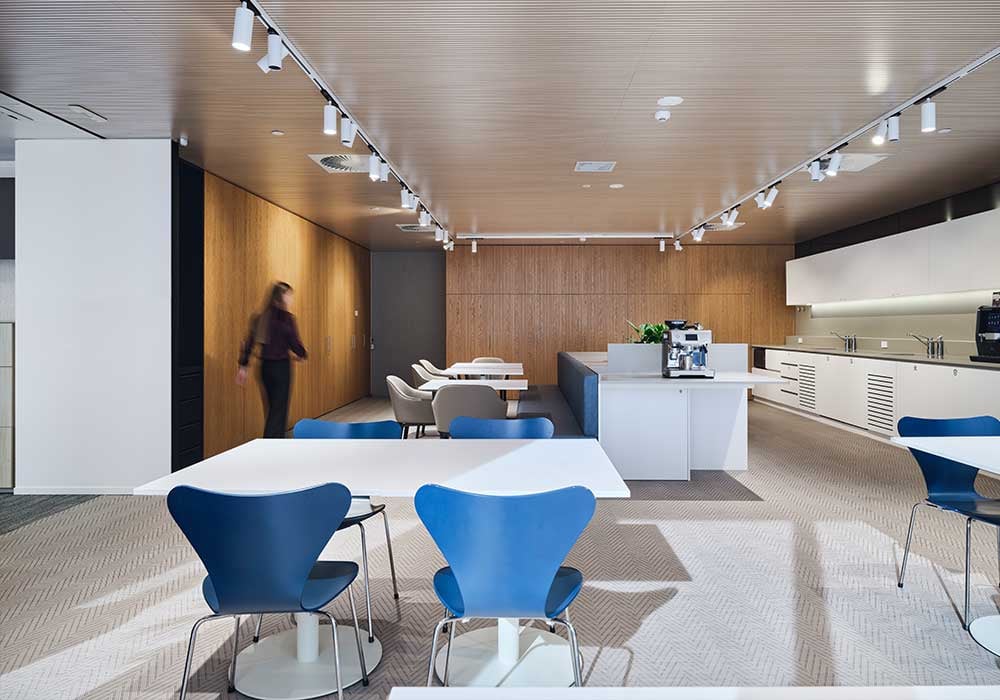
Sustainability is no longer a branding exercise. It is a core organisational responsibility tied to ESG commitments, stakeholder expectations and corporate governance.
With the introduction of the Australian Sustainability Reporting Standards from 2026, many organisations will be required to report on emissions associated with their workplaces, from material selection to operational performance. This places accountability on businesses not just during construction, but across the full life cycle of a fitout.
Sustainable workplace design now considers what happens long after occupation. Organisations are asking more informed questions about longevity, adaptability and responsible end-of-life outcomes. This ensures spaces can evolve without unnecessary waste or premature refurbishment.
Key sustainability trends shaping workplaces in 2026:
• Circular furniture and materials designed for reuse, reconfiguration or recycling
• Local sourcing to reduce carbon impact and support Western Australian suppliers
• Low-VOC paints and materials that prioritise indoor air quality
• Energy-efficient lighting and climate systems that lower operational costs
• Designing for longevity to minimise future de-fit impacts
Why sustainability matters
Clients, employees and investors increasingly expect environmentally responsible workplaces. Sustainable fitouts also reduce operating costs, protect asset value and future-proof workplaces against regulatory change.
Axiom insight
We embed sustainability principles from the earliest design stages, delivering workplaces that are both responsible and commercially sound.
Technology Integration That Feels Invisible
The most advanced workplaces in 2026 do not feel high-tech. They feel intuitive. The goal is for technology to seamlessly support how people work without becoming visually intrusive or operationally complex.
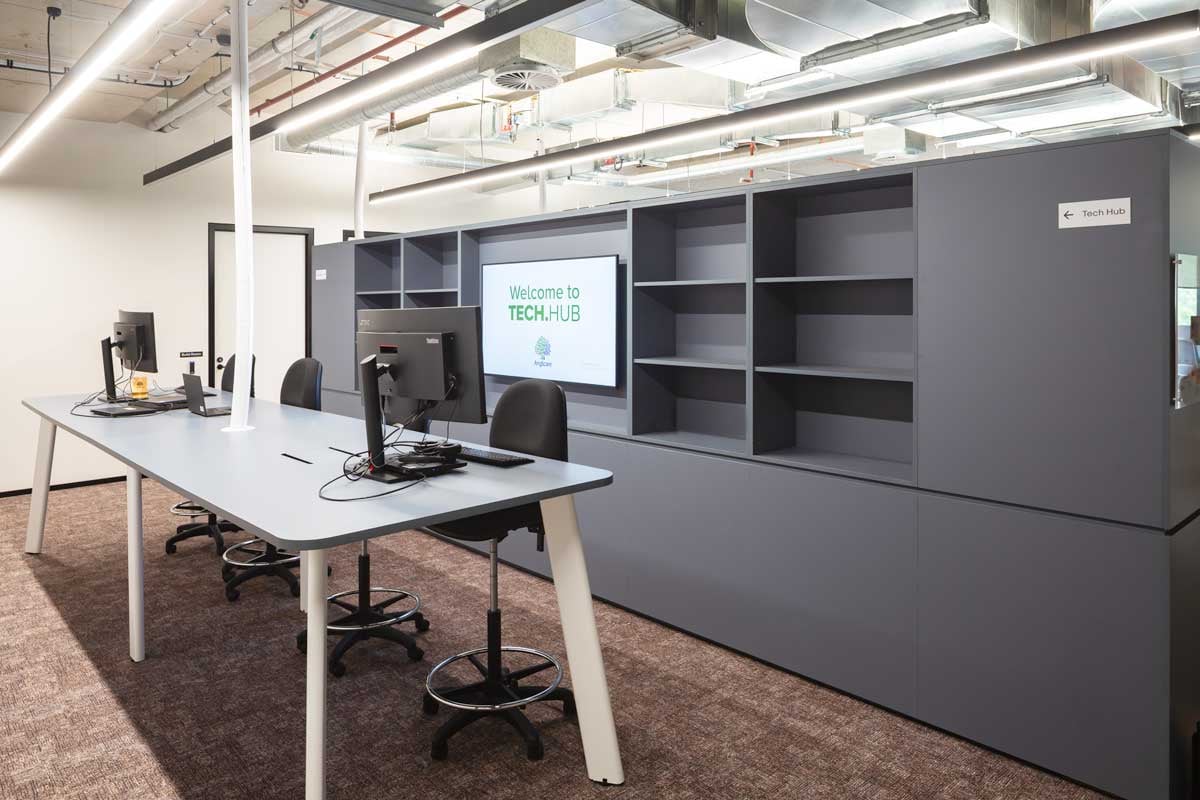
Technology is evolving rapidly, but the most advanced workplaces don’t feel “high-tech”, they feel effortless. The goal for 2026 is for technology to be fully integrated into the environment rather than visible or intrusive.
Key technology directions include:
• Smart sensors that optimise lighting, temperature and occupancy
• Advanced AV ecosystems designed specifically for hybrid collaboration
• Wireless-first environments that reduce clutter and improve mobility
• Interactive digital tools that encourage collaboration and innovation
• Acoustic engineering tailored for video conferencing clarity
Why technology matters
In high-performing workplaces, technology is a silent enabler. It supports clear communication, efficient collaboration and smooth transitions between physical and digital work.
Axiom insight
We integrate technology planning at the strategy stage, ensuring workplaces are built on flexible, future-ready infrastructure.
Warm Minimalism and Nature-Inspired Aesthetics
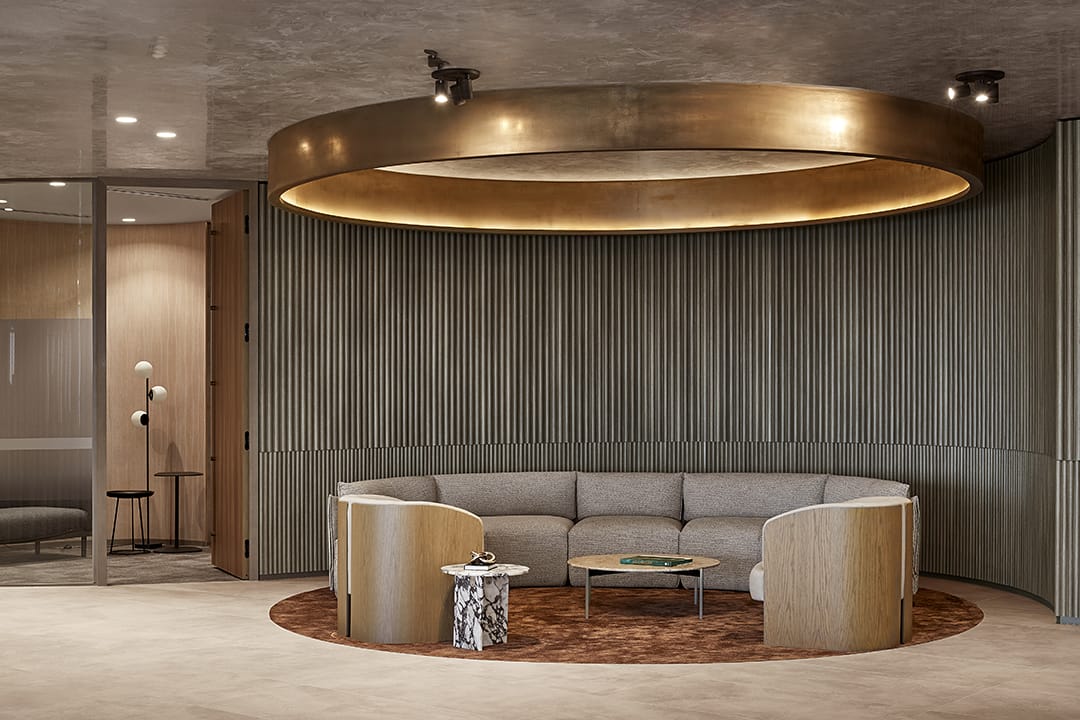
Perth workplaces are embracing a refined design language that feels sophisticated yet grounded. Warm minimalism is emerging as a dominant aesthetic in 2026, balancing simplicity with texture, warmth and natural materials.
Design trends shaping this aesthetic include:
• Warm timbers and natural stone
• Soft, matte finishes replacing industrial gloss
• Earthy palettes inspired by Western Australia’s coastline, bushland and desert landscapes
• Layered textiles that feel tactile and welcoming
• Hospitality-inspired breakout spaces
• Organic forms and curved architectural details
Why this matters
Design influences emotional well being. Calm, grounded interiors help employees feel connected, comfortable and engaged. This supports better focus and performance.
Axiom insight
Our designers balance minimalism with humanity, ensuring every design decision contributes to both brand identity and employee experience.
Designing with Cultural Awareness, Local Identity and Impact
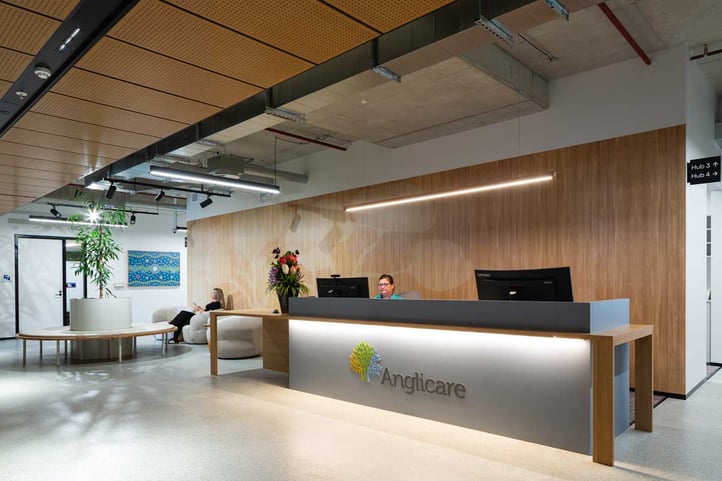
Authenticity has become a powerful brand asset. In 2026, Perth workplaces are increasingly designed with a deeper awareness of place, culture and responsibility.
Cultural awareness in workplace design offers opportunities to thoughtfully and respectfully acknowledge First Nations people and their incredibly diverse cultures, while creating environments that feel inclusive and connected to Country.
How this is being expressed in Perth workplaces:
• Collaboration with Indigenous artists, designers and cultural advisors
• Respectful integration of First Nations artwork and storytelling
• Design responses that acknowledge local landscape, Country and context
• Use of Western Australian materials and craftsmanship
• Spaces that support culturally safe, inclusive ways of working
Designing with cultural awareness is not about applying a template. It is about listening, learning and creating spaces with integrity and meaning.
Designing with cultural awareness is not about applying a template. It is about listening, learning and creating spaces with integrity and meaning.
Axiom insight
We work closely with leadership teams and advisors to translate culture, values and place into workplaces that feel authentic and future-focused.
Future-Ready Workplaces Designed for Long-Term Adaptability
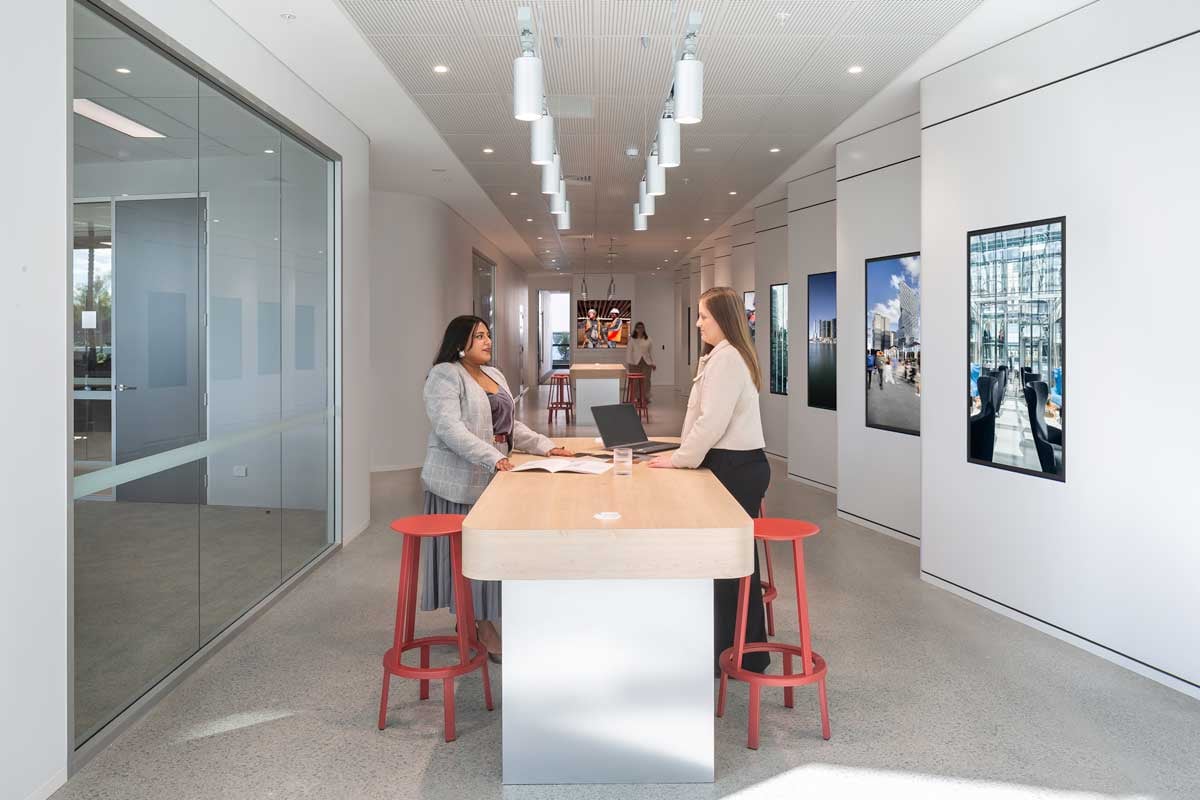
One of the most important trends for 2026 is the shift toward future-ready workplace infrastructure. Perth organisations are prioritising fitouts that evolve with them rather than constrain them.
Large, underutilised reception spaces and formal client-only areas are giving way to efficient, hospitality-style concierge zones and flexible meeting solutions, including enclosed two-person booths. The office is now a destination for connection, collaboration and culture, supported by efficient layouts and robust technology.
Make Every Square Meter Work Harder
Palatial reception areas and multiple large meeting rooms are being replaced with discreet, hotel-style concierge stations and two-person enclosed, freestanding meeting booths. Post-COVID, the office has become a place to reconnect with colleagues and clients. New workplace design should promote collaboration, wellness and productivity, underpinned by highly efficient and functional technology. We are seeing a clear reduction in space requirements, with areas reserved solely for clients increasingly becoming a thing of the past.
Key elements of future-ready design:
• Modular walls and adaptable partitions
• Moveable meeting pods and collaboration zones
• Flexible workstation configurations
• Upgrade-ready technology pathways
• Multipurpose spaces that support multiple functions
• Planning for reconfiguration with minimal disruption and waste
Why this matters
Flexibility protects your investment. A workplace designed for change can support growth, contraction and evolving work patterns without ongoing costly refurbishment.
Axiom insight
Our strategy-led approach ensures workplaces remain adaptable, resilient and aligned with long-term business objectives.
Final Thoughts: Perth’s Workplace Landscape Is Evolving
The office of 2026 is strategic, people-focused and deeply aligned with organisational identity. Perth businesses that invest in thoughtful, data-led workplace design will benefit from stronger culture, improved collaboration, enhanced well being and workplaces built to perform well into the future.
Axiom Workplaces brings together workplace strategy, interior design and construction into one integrated, end-to-end solution. This ensures your workplace supports your people and drives your business forward.
Ready to transform your Perth workplace?
Whether you are planning a relocation, refurbishment or complete commercial fitout, our team can help you design a workplace that delivers lasting value.
Axiom Workplaces combine your commercial fitout goals with our experience and expertise in evidence-based office design to create a thriving future workplace for you and your workforce.
Related article